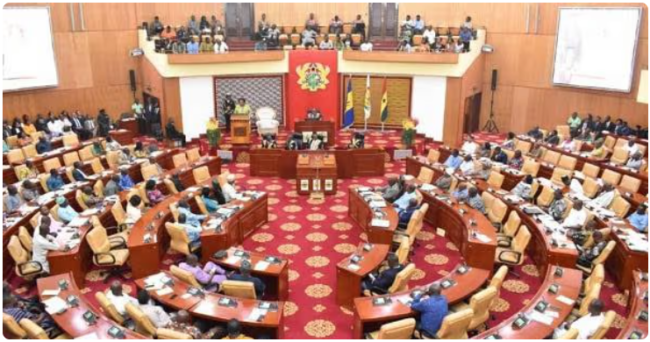

The Center for Africa Development and Progress (CADeP) has issued a policy statement appraising the work of the Constitutional Reform Implementation Committee (CRIC). While acknowledging the 1992 Constitution's role in securing political stability, CADeP calls for decisive modernization to address systemic governance imbalances, particularly concerning executive overreach, emoluments, centralized local governance, and institutional accountability.
Core Pillars of Reform
CADeP urges the Committee and Parliament to prioritize the following structural changes:
-
Executive Powers & Appointments: Establish an Independent Appointments Commission and decouple ministerial appointments from Parliament to curb excessive presidential patronage over statutory boards and institutions.
-
Article 71 Emoluments: Create an Independent National Emoluments Commission with uniform benchmarks for all public office holders to address perceived inequities in remuneration and ex-gratia payments.
-
Decentralization & Local Governance: Amend Articles 55(3) and 243(1) to enable the election of Metropolitan, Municipal, and District Chief Executives (MMDCEs) through universal adult suffrage, removing direct executive appointments.
-
Anti-Corruption & State Institutions: Guarantee financial autonomy for the Commission on Human Rights and Administrative Justice (CHRAJ), the Office of the Special Prosecutor (OSP), and the Auditor-General via a first-line charge on the Consolidated Fund.
Strategic Recommendations for Implementation
To ensure the reform process yields tangible dividends and avoids partisan gridlock, CADeP recommends:
-
Structured Phasing: Decouple non-entrenched clauses from entrenched clauses, fast-tracking non-entrenched administrative reforms to build public trust.
-
Inclusive Civic Dialogue: Deepen town-hall engagements across all sixteen regions and partner with the National Commission for Civic Education (NCCE) to translate technical clauses into local languages.
-
Fiscal Impact Assessment: Conduct comprehensive fiscal modeling on proposed institutional restructuring to reduce governance overheads and enhance public financial management.
-
Bipartisan Ownership & Transparency: Anchor recommendations in broad parliamentary and inter-party consensus, while providing the public with transparent timelines and draft white papers to foster national ownership.
Download the full statement above